Nutrition, oxidative damage, telomere shortening, and cellular senescence: individual or connected agents of aging
How much does a glutathione injection cost in NJ
Pharmacokinetic Profile in Research Models DSIP pharmacokinetic characterization in preclinical research reveals properties important for experimental design: Absorption and Distribution: Multiple administration routes: Intravenous, intraperitoneal, intracerebroventricular, intranasal Blood-brain barrier penetration: Limited but detectable CNS entry with systemic administration Peripheral effects: Significant biological activities observed with peripheral administration Tissue distribution: Detected in brain, liver, kidney, and endocrine organs Metabolism and Elimination: Plasma half-life: 15-30 minutes following IV administration Metabolic degradation: Susceptible to peptidase activity Modified analogs: Investigations into metabolically stable DSIP derivatives Biological activity duration: Effects persist beyond plasma presence, suggesting tissue binding or secondary messenger activation Temporal Dynamics: Sleep effects: Observable within 30-90 minutes post-administration Stress-protective effects: Both acute and delayed protective responses documented Circadian interactions: DSIP effects may vary with time of administration Chronic administration: Repeated administration does not produce tolerance in most research models These pharmacokinetic characteristics inform research protocol design, particularly regarding administration timing relative to sleep/wake cycles, stress challenges, or other experimental interventions

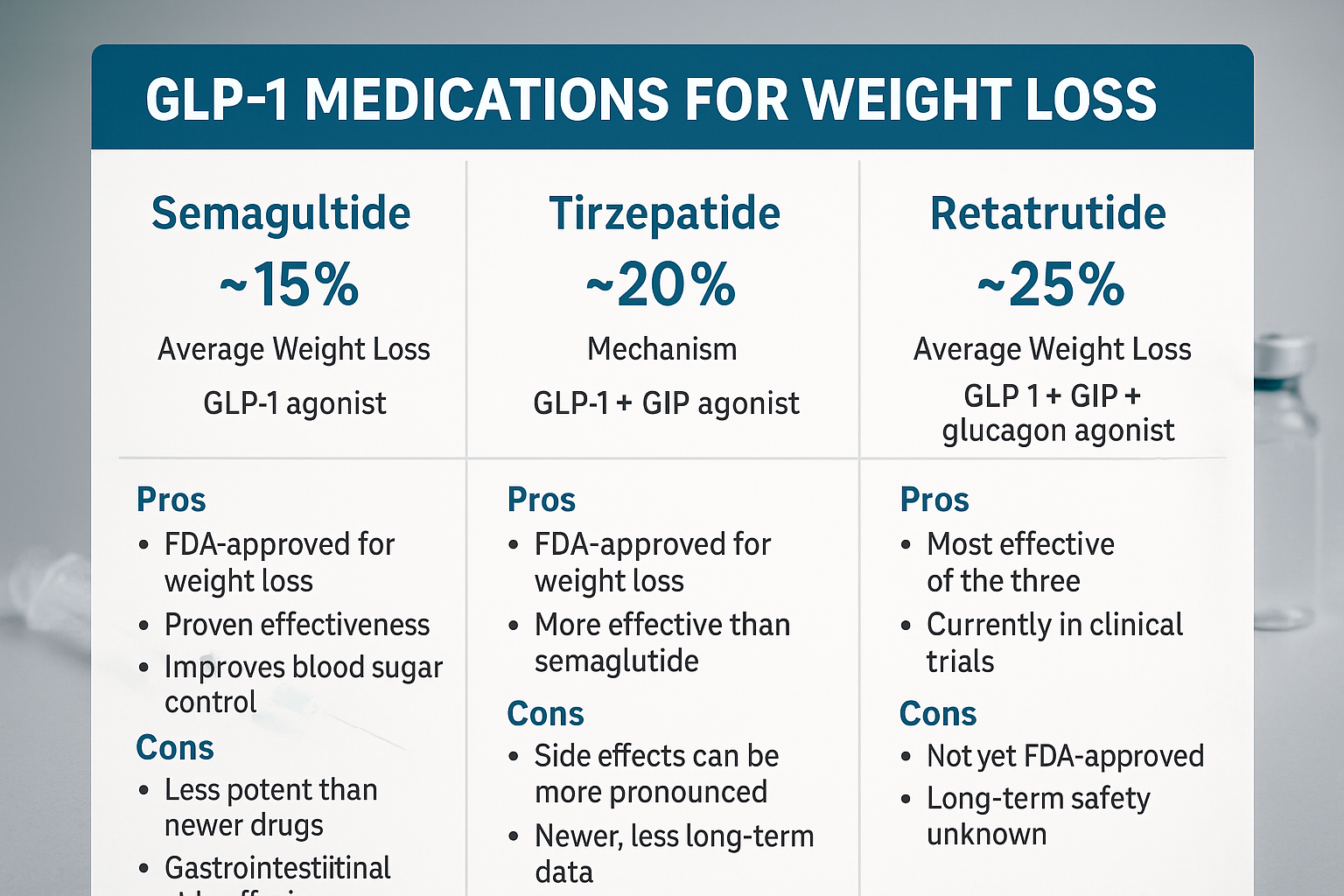
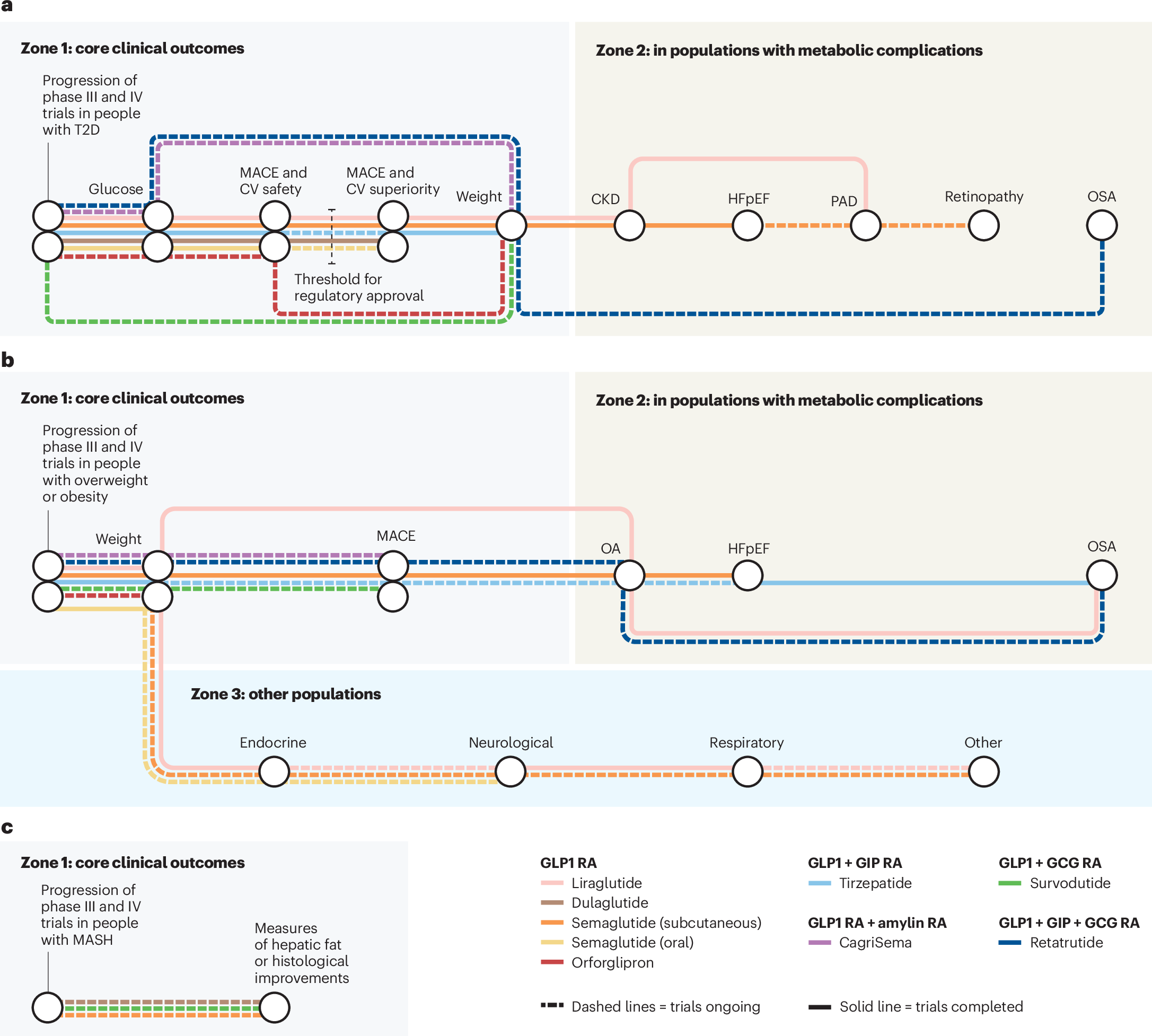
Pre-Mixed Blend Vials: 12.5/2.5 vs 20/4 Some research vendors stock pre-mixed retatrutide + cagrilintide vials at a fixed ratio
Dihexa targets a persons cognitive function specifically and produces chemicals that the brain requires to enhance memory
To unlock genuine, deep-tier structural transformation without triggering surface inflammation, the delivery vehicle itself must undergo a molecular evolution